If one wheel is noticeably hotter than the others after normal driving in Washington, PA, the brake at that corner may be dragging. The brake may still be applying pressure after you release the pedal, creating extra friction and heat.
A sticking caliper is one possible cause, but it is not the only one. Seized slide pins, binding brake hardware, a restricted brake hose, or a parking-brake problem can produce the same symptom. The brake assembly needs to be inspected to determine what is keeping it applied.
The Short Answer: That Brake May Be Dragging
All brakes generate heat when they slow a vehicle. Front and rear brakes handle different workloads, so they will not necessarily reach the same temperature.
The better comparison is between the left and right wheels on the same axle. Compare the left-front wheel with the right-front wheel, for example, and take readings at similar locations. A large difference after an ordinary drive may point to brake drag at the hotter corner.
Recent driving conditions matter. A long descent or repeated braking can raise brake temperatures throughout the vehicle. If that applies to your drive, this guide explains how brake fade happens and why a temperature comparison may be less useful until the brakes cool.
Other signs of a dragging brake can include:
- A sharp, overheated-brake smell
- More brake dust on one wheel than on the matching wheel
- Pulling while driving or braking
- A held-back feeling after releasing the brake pedal
- Smoke near one wheel
- Scraping, grinding, or other unusual brake noise
Brake drag does not always trigger a dashboard warning light. If the vehicle resists motion and one wheel has much more heat or brake dust, that corner should be inspected.
How to Check Wheel Heat Safely
Do not touch the wheel, lug area, caliper, or rotor to check the temperature. Brake parts can stay hot after the vehicle stops, and the components behind the wheel may be much hotter than the wheel surface.
A non-contact infrared thermometer provides a safer way to make a basic comparison. Raybestos service guidance describes comparing temperatures at each wheel as one method technicians use to help locate dragging, grinding, or inoperative brakes.
To compare wheel temperatures:
- Park in a safe location after the drive.
- Keep your hands away from the brake components.
- Aim the thermometer at the same spot on the left and right wheels.
- Compare the front wheels with each other, then compare the rear wheels.
- Treat a large temperature difference as a clue, not a diagnosis.
Do not compare the center of one wheel with the outer edge of another. A direct comparison between a front and rear wheel can also be misleading because the front and rear brakes may run at different temperatures.
There is no single pass-or-fail temperature for every vehicle and driving situation. The side-to-side difference is more useful when considered with odor, brake dust, pulling, noise, and resistance while driving.
Four Reasons One Brake Can Stay Applied
Several problems can prevent a brake from releasing fully. Because these faults often feel similar from the driver’s seat, wheel temperature alone cannot identify the failed part.
1. A sticking brake caliper piston
Brake fluid pressure pushes the caliper piston outward, pressing the pad against the rotor. When you release the pedal, the piston should relax enough to remove meaningful braking pressure.
If the piston sticks, it may keep the inner pad pressed against the rotor. Possible causes include internal corrosion, a damaged piston boot, or binding inside the caliper. These conditions must be confirmed during an inspection.
2. Seized slide pins or binding pad hardware
Many vehicles use floating calipers that move on slide pins. This movement allows the pads on both sides of the rotor to apply and release properly.
A seized slide pin can keep the caliper from centering or releasing. A pad may also stick in the caliper bracket when rust or damaged hardware prevents it from moving freely.
Wagner’s brake inspection guidance notes that heavy wear on the outside pad, while the inside pad remains less worn, can point to seized slide pins. The technician still needs to check the pins, pads, bracket, piston, and related hardware.
3. An internally restricted flexible brake hose
A flexible brake hose can appear normal outside while being restricted internally.
According to a Raybestos technical bulletin, pedal pressure may force brake fluid through a restricted hose toward the caliper. When the pedal is released, fluid may not return through the restriction. Pressure remains trapped, so the brake continues to drag.
This problem can be mistaken for a seized caliper. Wagner’s diagnostic procedure offers a way to distinguish between them. If a hard-to-retract piston moves after the bleeder screw is opened, trapped pressure from a restricted rubber hose may be the cause. If the piston still binds with the bleeder open, the fault is more likely inside the caliper.
A technician should perform that test during a brake inspection. Do not open or handle hot brake components at the roadside.
4. A parking-brake problem
Parking-brake faults usually affect a rear wheel. A mechanical parking-brake cable can corrode or jam inside its outer sheath. HELLA explains that damage to the cable sleeve may allow dirt or water to enter, leading to corrosion and binding. Releasing the parking brake may then fail to release the mechanism fully at the wheel.
An electronic parking brake can also remain partly applied. A manufacturer service bulletin hosted by NHTSA documents a vehicle-specific electronic parking-brake fault that caused rear brake drag and unusual pad wear.
If one rear wheel becomes unusually hot after using the parking brake, the inspection should include the cable or actuator and the mechanism at that wheel.
What Uneven Pad Wear Can Show
Uneven brake pad wear can help narrow down the cause of a hot wheel. Wagner’s inspection information identifies two common patterns:
- Outside pad worn more than the inside pad: The slide pins may be seized, or caliper movement may be restricted.
- Inside pad worn more than the outside pad: The caliper piston may be dragging instead of releasing properly.
These patterns provide clues, but they do not prove that a specific part has failed. Pads can bind in the bracket, hardware can corrode, and a restricted hose can hold pressure at a caliper that would otherwise work normally.
What a Brake Inspection Should Cover
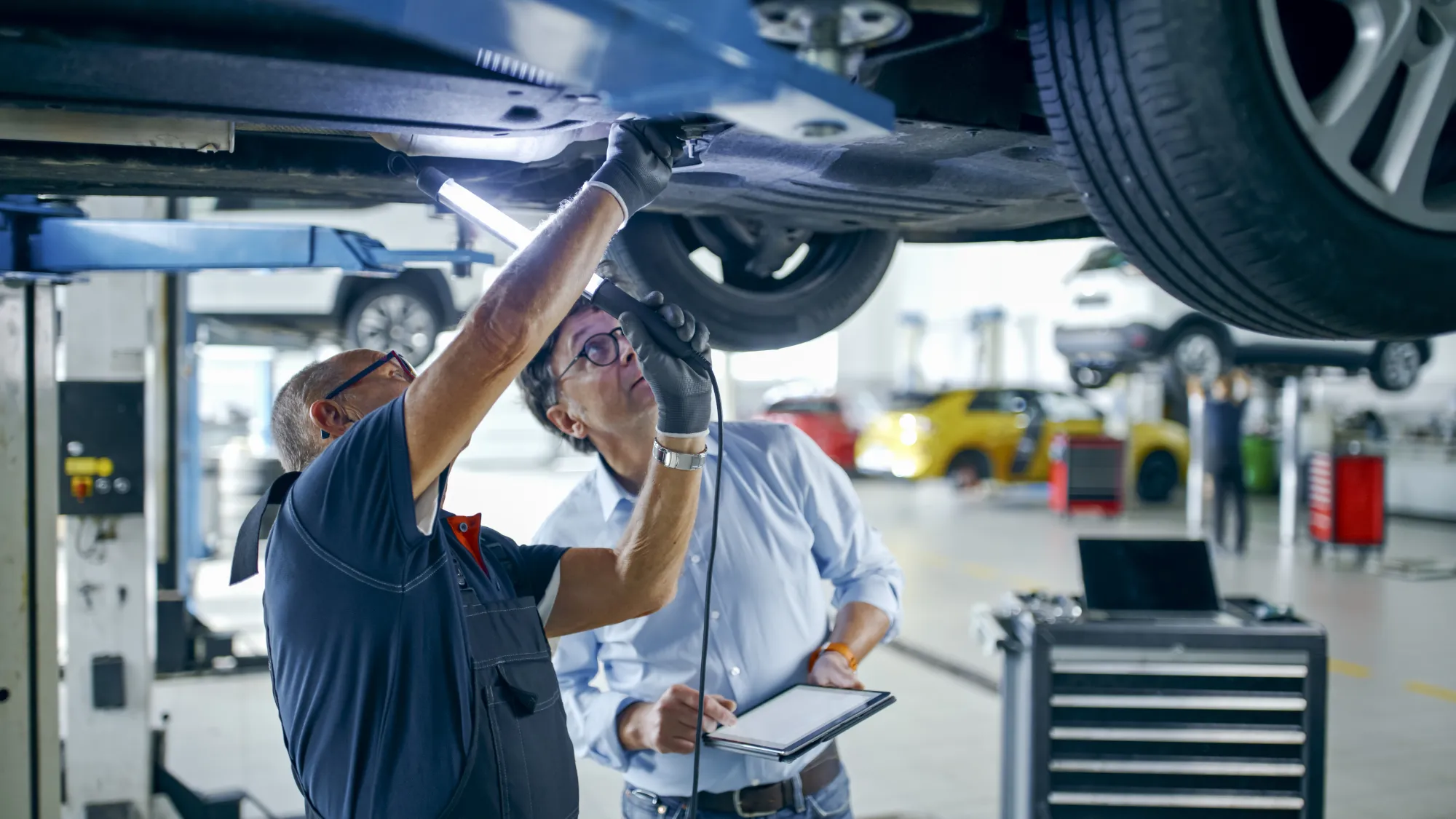
When one wheel is hotter than its matching wheel, the technician should inspect the complete brake assembly at that corner and compare it with the brake on the other side of the axle.
The inspection should check:
- Inner and outer brake-pad wear
- Rotor surfaces and signs of excessive heat
- Caliper piston operation
- Piston and slide-pin boots
- Slide-pin movement
- Pad movement in the bracket
- Clips, shims, and other hardware
- The flexible brake hose
- Brake fluid condition
- Rear parking-brake cables, actuators, and related mechanisms
For drivers in Washington, PA, the important step is identifying the cause of the brake drag before replacing parts. Several faults can create the same hot-wheel symptom.
When Should You Stop Driving?
A small temperature difference is not the same as a wheel producing intense heat. However, you should stop driving and arrange for a safe inspection or transport if you notice:
- Smoke from the wheel area
- A strong burning smell
- Reduced braking performance
- A soft or unusual brake pedal
- Severe pulling
- A wheel area that remains extremely hot
- Strong resistance after releasing the brake pedal
Do not touch the wheel or brake components to confirm the heat. Continuing to drive can generate more heat and increase wear. These symptoms also appear in this broader list of car warning signs that need a mechanic.
Why New Brake Pads May Not Solve It
Brake pads damaged by ongoing drag are often a symptom of another fault. If the caliper piston sticks, new pads may remain partly applied. Seized slide pins will still prevent correct caliper movement. A restricted hose can continue trapping hydraulic pressure, while a jammed parking-brake mechanism can keep holding a rear brake.
The repair should address the source of the drag and any heat-related wear. One hot wheel tells the technician where to begin, while pad wear, component movement, and hydraulic testing reveal what is keeping the brake applied.